
In this article:
- How visual AI engines translate fabric weight, geometry, and static photos into realistic motion loops.
- Step-by-step preparation of clean boundary input imagery for accurate drape simulation.
- Why motion fit videos drive higher PDP conversions and reduce sizing-related returns.
- Maintaining brand color accuracy and textile pattern fidelity during video generation.
Ecommerce brands want to show realistic garment fit, fabric drape, and movement on product pages, but filming video for thousands of SKUs is prohibitively expensive and slow. Studio teams need a reliable way to turn static flat lay, mannequin, or on-model photos into motion fit videos without booking dedicated video shoots. Traditional video production requires hiring models, booking studio time, and managing complex lighting setups for every single colorway and style in a seasonal catalog.
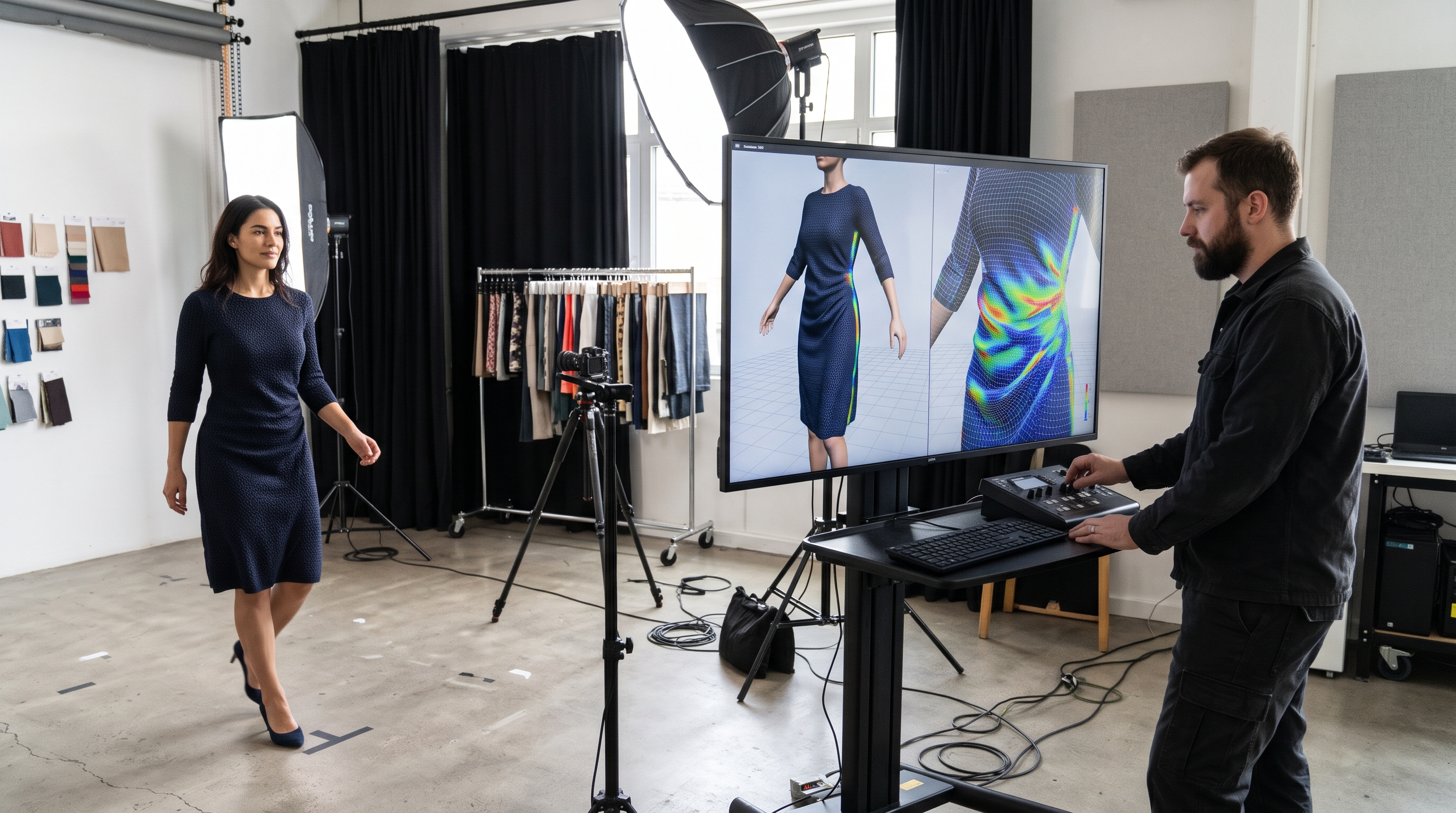
To generate fit videos from static garment photos, catalog teams use specialized visual engines that read fabric weight, construction, and garment geometry to render natural movement and fit loops without physical video production shoots. This guide is written for ecommerce directors, catalog managers, and post-production leads who want to bring dynamic fit preview assets to high-volume SKU catalogs.
How does visual AI turn a single static photo into a motion fit video?
Transforming a static garment image into a fluid motion loop starts with advanced deep learning models trained specifically on apparel construction and textile physics. Unlike traditional 3D CAD modeling or manual keyframe animation in standard video editing software, modern visual engines analyze the pixel-level properties of the input photo.
The system detects structural seams, grain lines, stretch factors, and shadow gradients to reconstruct a digital mesh of the garment. When motion parameters are applied, the AI simulates how gravity, friction, and kinetic movement interact with that specific textile. Whether the source asset is a ghost mannequin shot or a flat lay, the rendering pipeline predicts realistic micro-movements such as sleeve sway and hemline drape during a model's turn.
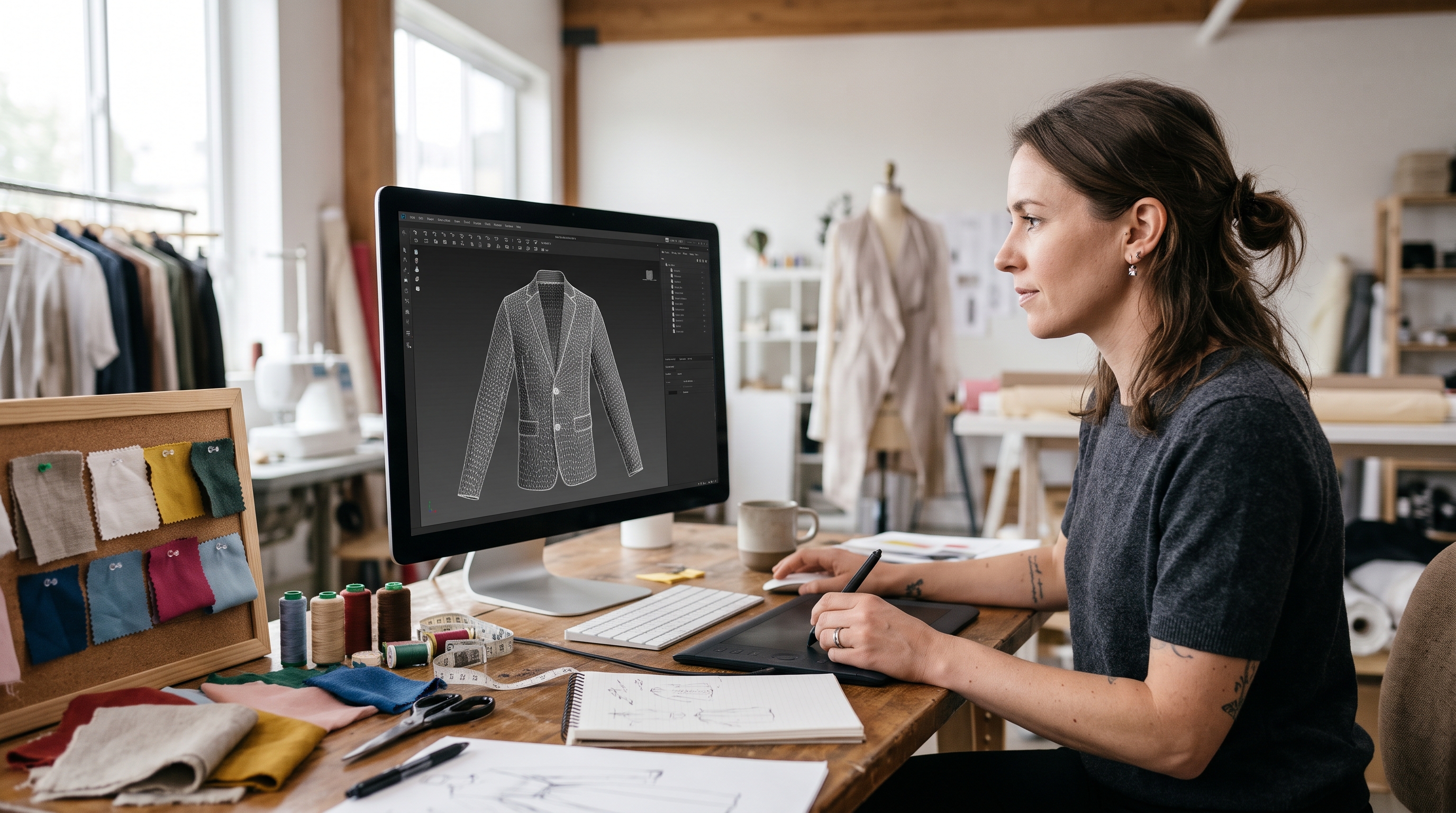
Brands leveraging automated visual workflows can convert static fashion photo to video assets across entire catalogs in minutes rather than weeks. This capability ensures that every new arrival receives immediate dynamic representation without expanding production budgets.
Preparing input imagery with clean boundaries ensures realistic fabric drape and motion loops.
The quality of the generated video is directly tied to the integrity of the input photograph. Feeding clean, high-resolution imagery into the generation pipeline prevents artifacts and unnatural stretching during animation loops.
- Ensure high-contrast background separation so the neural network can accurately isolate garment edges from shadows.
- Provide distortion-free lighting that evenly exposes both front-facing panels and subtle texture details.
- Submit calibrated color profiles to preserve exact pantone shades across the entire motion sequence.
- Remove extraneous wrinkles or pins that do not represent the intended retail fit of the garment.
When preparing assets for can you create product video from single photo workflows, verifying edge sharpness is essential. Blurry boundaries confuse the depth estimation algorithms, resulting in edge bleeding when the garment begins to move.
| Production Metric | Traditional Video Shoot | AI Video Generation Pipeline |
|---|---|---|
| Time to Deliver SKU Video | 3 to 5 weeks per collection | Under 10 minutes per batch |
| Studio & Model Cost | High daily rates and travel | Zero physical shoot overhead |
| Colorway Expansion | Reshoot required for each color | Instant algorithmic mapping |
| Catalog Scalability | Limited to top-tier hero SKUs | 100% coverage across all SKUs |
Why are fit videos critical for PDP conversion and return reduction in fashion retail?
Shoppers frequently abandon product pages when static images fail to communicate how a fabric moves in real life. According to retail consumer studies published by Shopify Enterprise, interactive video previews significantly increase add-to-cart rates while lowering size-related returns.
When buyers can observe how knitwear stretches or how silk drapes during motion, their purchasing confidence rises. Implementing an ai garment motion loop for PDP displays addresses the primary tactile uncertainty of online shopping. Rather than guessing whether a fabric is stiff or fluid, shoppers witness authentic movement immediately upon landing on the product page.
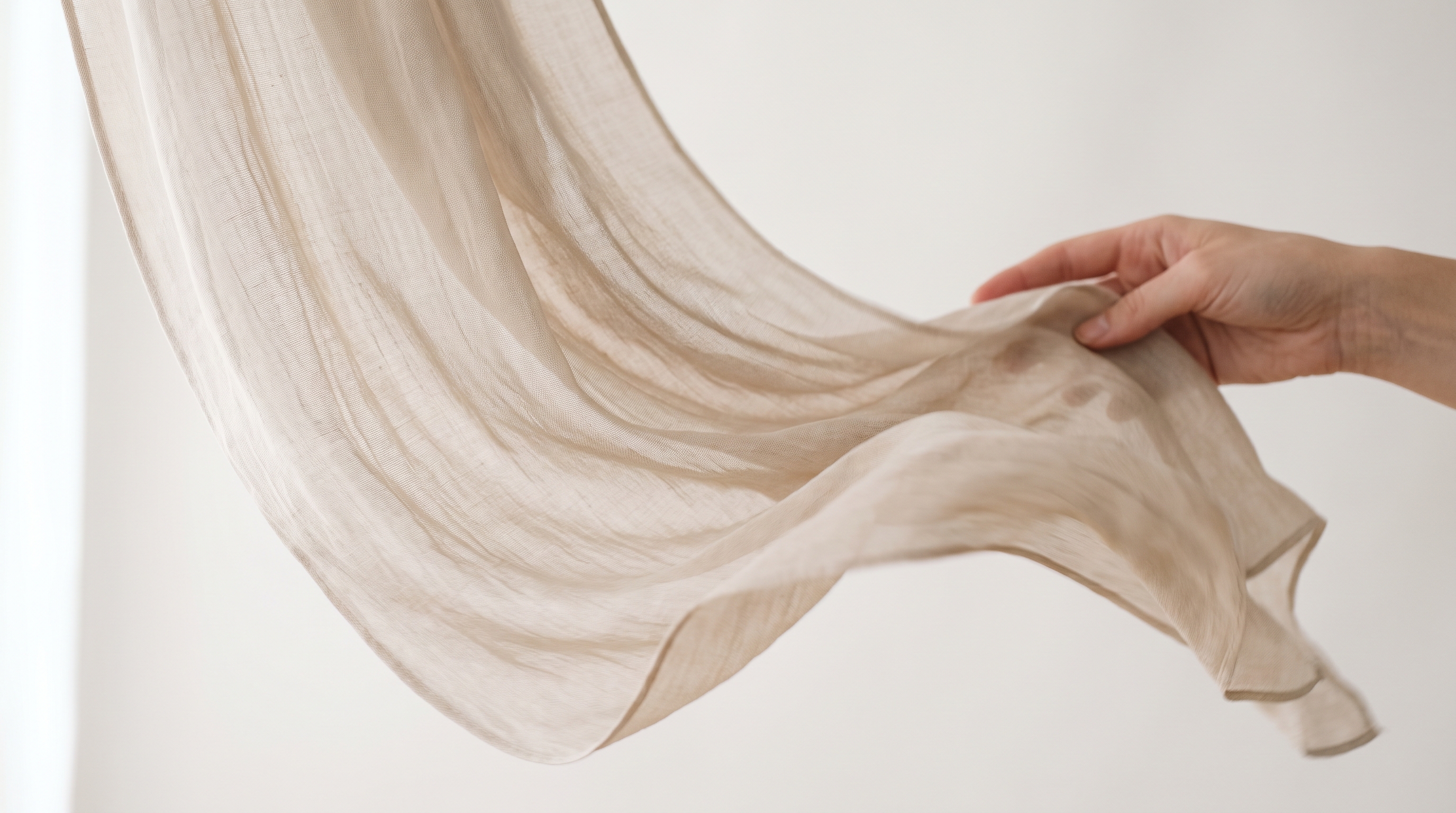
Furthermore, providing clear visual evidence of garment behavior helps brands tackle the costly epidemic of serial returns. Customers who inspect accurate fit videos make informed choices, keeping reverse logistics expenses manageable.
Maintaining garment pattern details and color accuracy during video generation.
A common concern among catalog managers is whether automated video creation will distort intricate prints, embroidery, or precise colorways. Advanced visual engines utilize color-locking layers that anchor graphic patterns to the fabric mesh throughout every frame.
By enforcing strict calibration rules, the output video preserves the exact scale of stripes, florals, and geometric patterns present in the original photograph. This level of fidelity prevents brand dilution and ensures marketplace compliance across global digital storefronts.
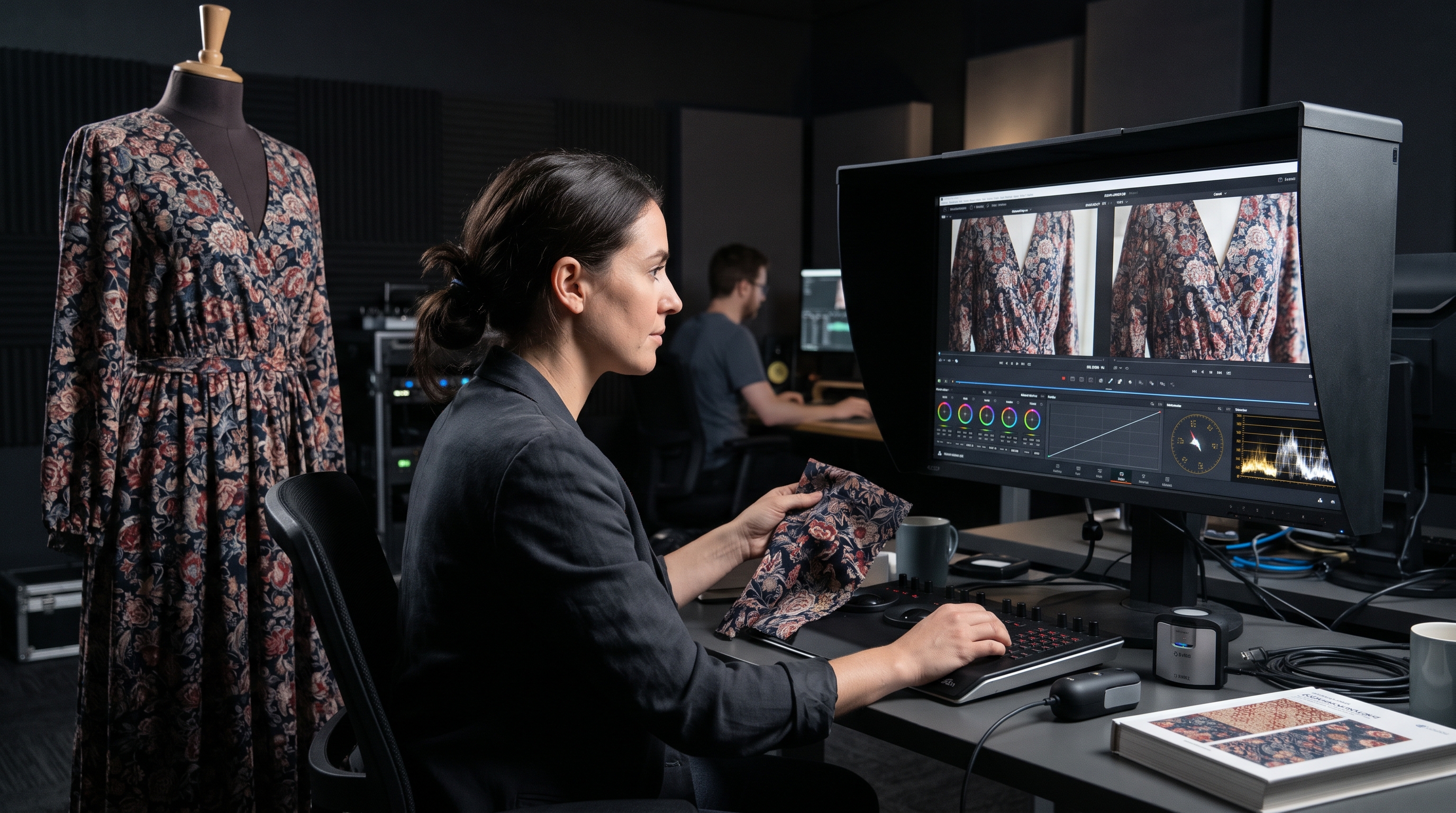
Utilizing an ai fashion video generator from image workflows allows merchandising teams to verify color consistency across multiple channels without manual color grading. Industry benchmarks highlighted in reports by Vogue Business demonstrate that automated consistency tools reduce retouching errors by over eighty percent.
Scaling ecommerce catalog production with automated video loops.
Expanding dynamic video coverage from a handful of hero products to an entire catalog requires an integrated visual infrastructure. Modern fashion brands connect their Product Information Management (PIM) systems directly to automated video generation pipelines.
When a new SKU photo is approved and tagged in the digital asset management system, the generation engine automatically triggers motion rendering. This seamless pipeline transforms how lean studio teams operate, turning what was once an impossible seasonal bottleneck into a continuous, automated publishing stream.