
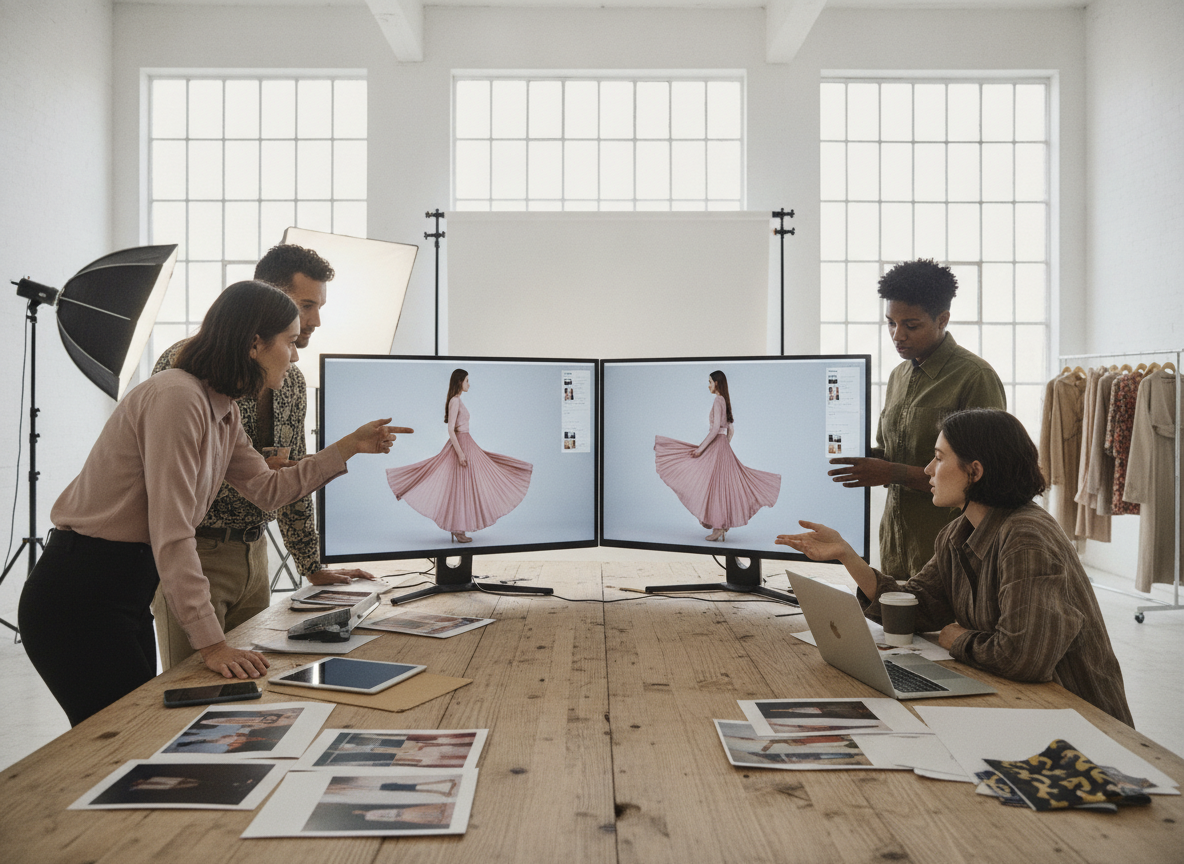
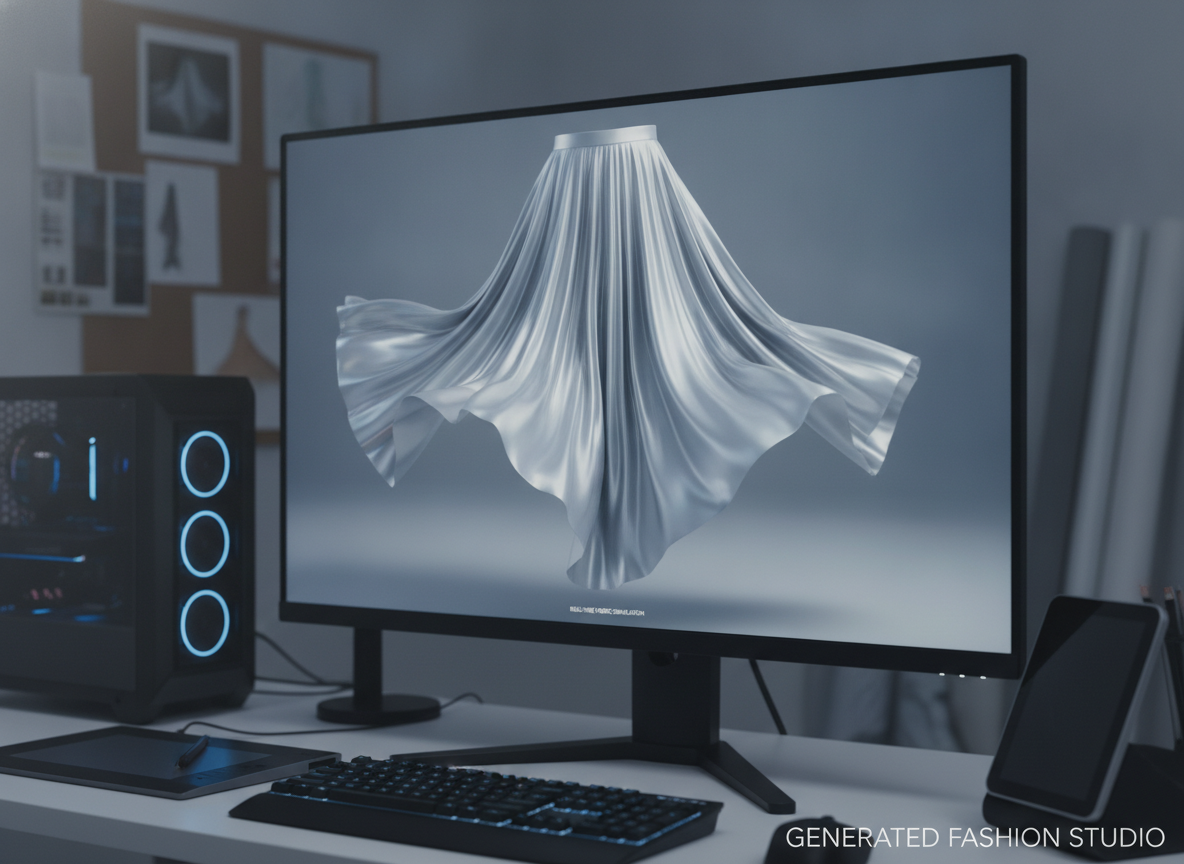
FlixStock AI Video Engine — Validating drape and fabric weight
Shoppers need to see how clothing moves, but filming every SKU is too expensive. This guide explains how catalog teams can use AI to turn static product images into realistic PDP videos that demonstrate fit, drape, and silhouette.
- Why AI video must prioritize commercial accuracy over visual flash
- How to preserve garment truth while animating fabric movement
- What a fashion PDP video should actually show shoppers
- Scaling product videos across your catalog with FlixStock
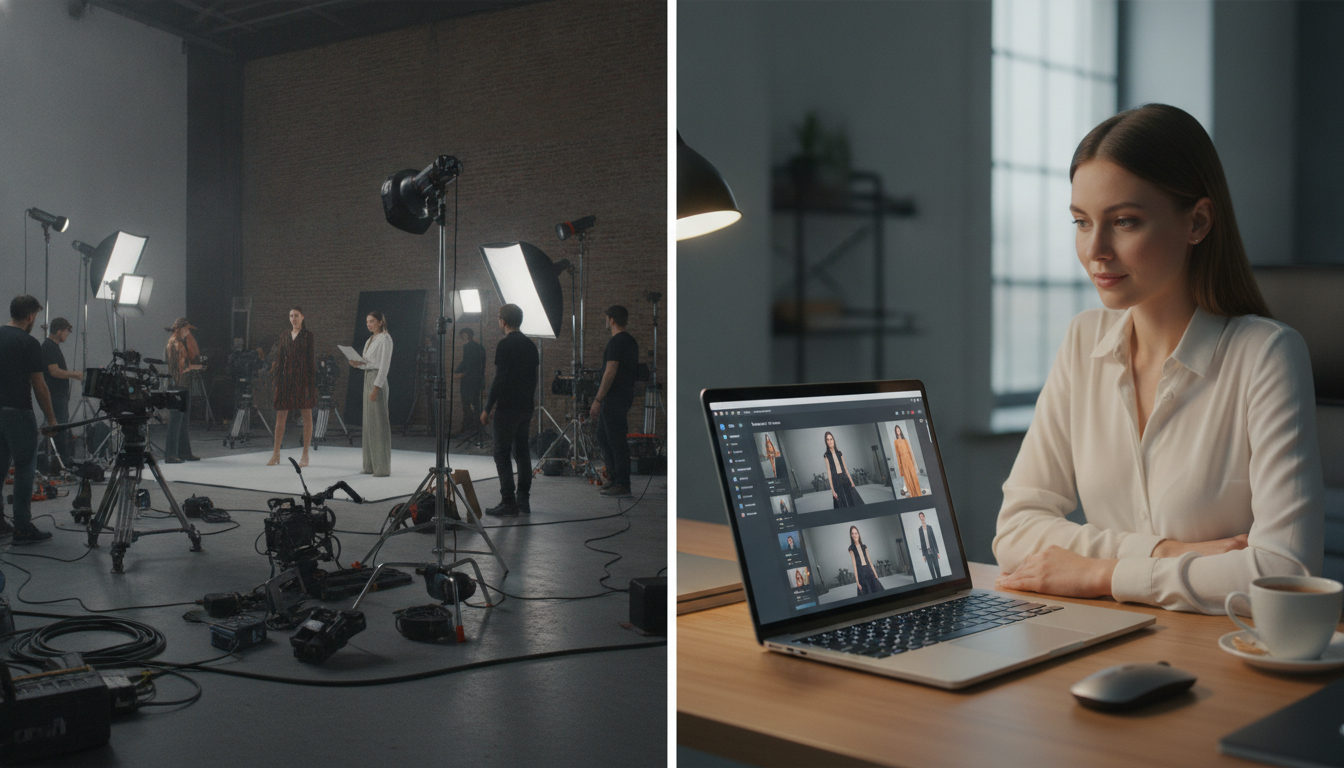
Does the fabric fall naturally? How does the garment move? Is the fit structured or relaxed? Static ecommerce images, no matter how beautifully styled, often leave these critical shopper questions unanswered. According to Color Experts International (2026), high-quality visual context increases conversion, but filming every single SKU on a moving model requires massive budgets for studios, talent, styling, and production time. The math simply does not scale for large catalogs.
AI video vs. traditional fashion product shoot
Traditional video production is a linear, fixed process. If you shoot a model walking in a pleated summer skirt, that video is locked. To get a different angle or lighting setup, you must reshoot entirely. AI fashion product video changes this paradigm by turning a static product image into a flexible, animatable asset. The transformation follows a precise digital pipeline: Product image → on-model image → movement sequence → PDP video → social/ad video. From a single flat lay, AI can synthesize realistic fabric folds, shadows, and human motion, allowing you to generate video for the entire catalog without stepping onto a soundstage.
The difference between 'impressive' and 'commercially useful'
Generative AI is famous for creating visually stunning videos. However, for a fashion product detail page, "stunning" is useless if it is inaccurate. A commercially useful product video must strictly adhere to physical reality. If the AI hallucinates details, the video drives returns rather than sales. During the generation process, the garment must not change shape unexpectedly, gain or lose details, change color, develop impossible fabric behavior, reveal unsupported construction, or morph between frames. The technology must lock the garment's identity while generating the physics of the model's movement around it.
What should a fashion PDP video actually show?
A high-converting video strips away distractions and focuses on answering the shopper's physical questions about the garment.
| Element | What to Demonstrate | Shopper Question Answered |
|---|---|---|
| Fit & Silhouette | How the garment hugs or hangs on the body type | Is this oversized or tailored? |
| Movement & Drape | How the fabric behaves while walking or turning | Is the material stiff or flowing? |
| Material Details | Close-ups on texture, sheen, and weave | Does this look high-quality? |
| 360° Views | Front, side, and back profiles in motion | How does the back sit? |
How to preserve garment accuracy in motion
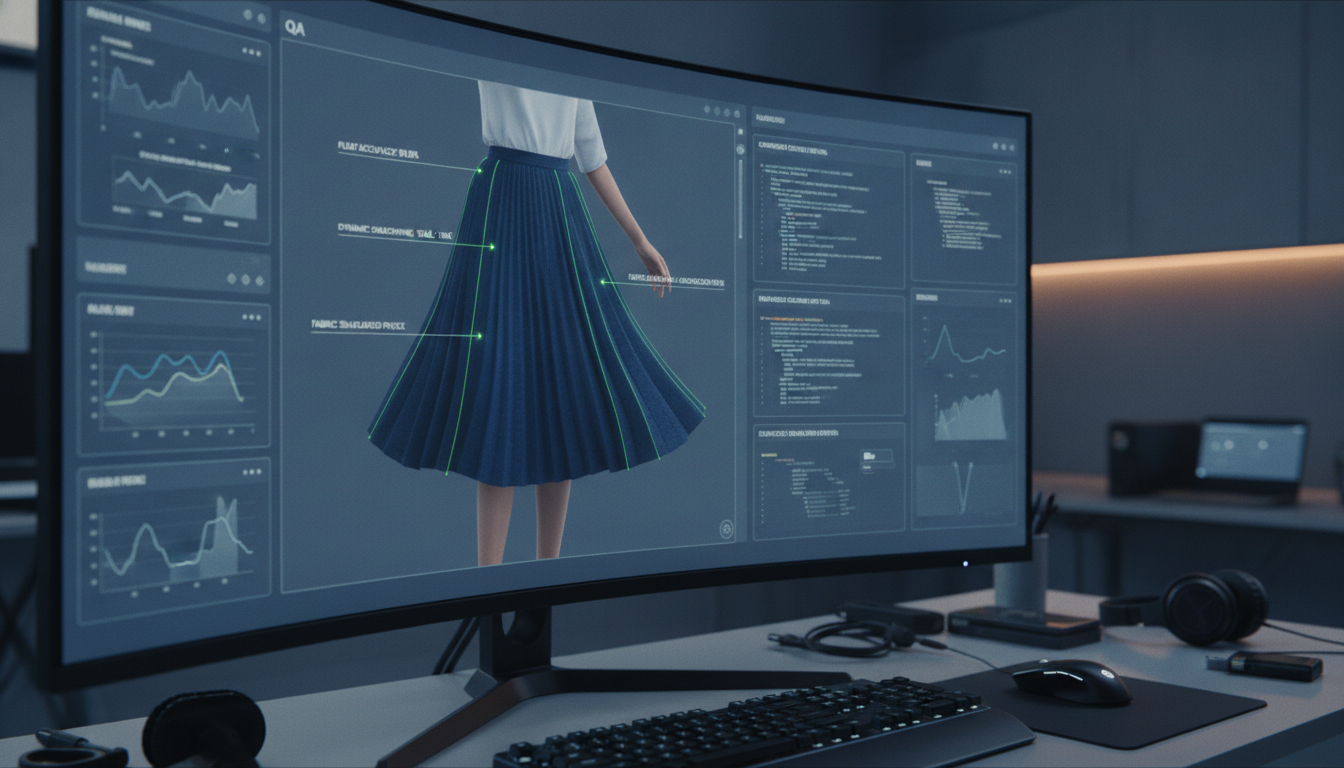
To maintain fidelity, enterprise AI systems separate the garment mesh from the human avatar. By analyzing the source image, the AI understands the weight and structure of the material (e.g., heavy wool versus sheer silk). When the digital model walks, the system applies physics-based rendering to simulate realistic folds, tension lines, and shadows. Catalog managers must QA these videos by checking that the seams remain locked and that the silhouette does not distort when the model changes posture.
Steps to test PDP video before scaling across a catalog
- Select a 20-SKU cohort featuring difficult-to-photograph materials (e.g., sheer fabrics, pleats).
- Generate a standardized 5-second walking and turning sequence for each SKU.
- Audit the videos for morphing, color shifting, or detail loss during movement.
- Deploy the videos to the live PDPs and run an A/B test against static-only pages.
- Measure engagement time on the page and the subsequent return rate of the cohort.
Powering catalog video with FlixStock
FlixStock provides scalable fashion visual generation, encompassing both static product imagery and dynamic fashion video workflows. By relying on sophisticated Meta Models to understand product inputs, FlixStock ensures that the video output maintains strict commercial accuracy. It allows merchandising teams to show how a garment fits and moves across their entire catalog without the prohibitive costs of a physical production. See how the platform handles complex materials at the FlixStock demo.
Connecting PDP video to performance marketing
The value of these video assets extends far beyond the product page. Once generated, these same movement sequences can be adapted into 9:16 vertical formats for Instagram Reels or Meta Ads. Platforms like Performance Loop take these FlixStock-generated product videos, convert them into performance creatives, and measure their results inside paid campaigns—allowing brands to seamlessly bridge the gap between merchandising reality and ad performance.