

In this article:
- Achieving product photo color consistency across channels
- Standardizing sRGB color profiles and color space management
- Automated color calibration workflows for high-volume apparel catalogs
- Eliminating manual retoucher color corrections with visual AI
Catalog managers and post-production leads struggle with garments looking different across marketplaces and PDPs due to inconsistent white balance, color profile stripping, and varied lighting setups. Achieving product photo color consistency across channels requires standardized color profiling, automated white balance calibration, and AI-driven post-production workflows that preserve exact garment swatches across all asset exports.
When apparel images are exported across diverse consumer displays and external marketplaces without robust color governance, color drift directly damages customer trust and spikes return rates. This comprehensive guide is written specifically for fashion e-commerce catalog leads, studio leads, and post-production managers handling multi-channel product image deployment at scale. Maintaining visual fidelity across every digital touchpoint ensures that physical garments match consumer expectations perfectly upon delivery.
In modern apparel retail, managing thousands of stock-keeping units (SKUs) across seasonal drops makes manual color correction unsustainable. Retailers must adopt robust digital workflows that integrate hardware calibration, standardized color spaces, and automated visual AI engines. Without these structured protocols, minor lighting discrepancies during initial studio shoots snowball into major color discrepancies across external marketplace feeds.
Why does garment color shift between studio shoots and marketplace listings?

Color shift occurs due to uncalibrated studio strobes, ambient room lighting discrepancies, and the aggressive color profile stripping applied by external e-commerce platforms. When raw image captures move from controlled studio environments to consumer mobile screens and marketplace listings, inconsistent white balance handling introduces noticeable color drift across channels.
Many brands attempt to solve color mismatch by applying aggressive manual filters or relying on uncalibrated monitor edits, which worsens color drift across mobile displays and external marketplaces. Establishing a repeatable, hardware-calibrated system prevents these manual inconsistencies from undermining product credibility.
Furthermore, different consumer devices utilize varying panel technologies and gamma curves, meaning an unmanaged color profile will appear overly warm on OLED screens and washed out on standard LCD panels. Standardizing your capture and export pipeline neutralizes these hardware discrepancies entirely.
How can catalog leads standardize sRGB color profiles across channels?
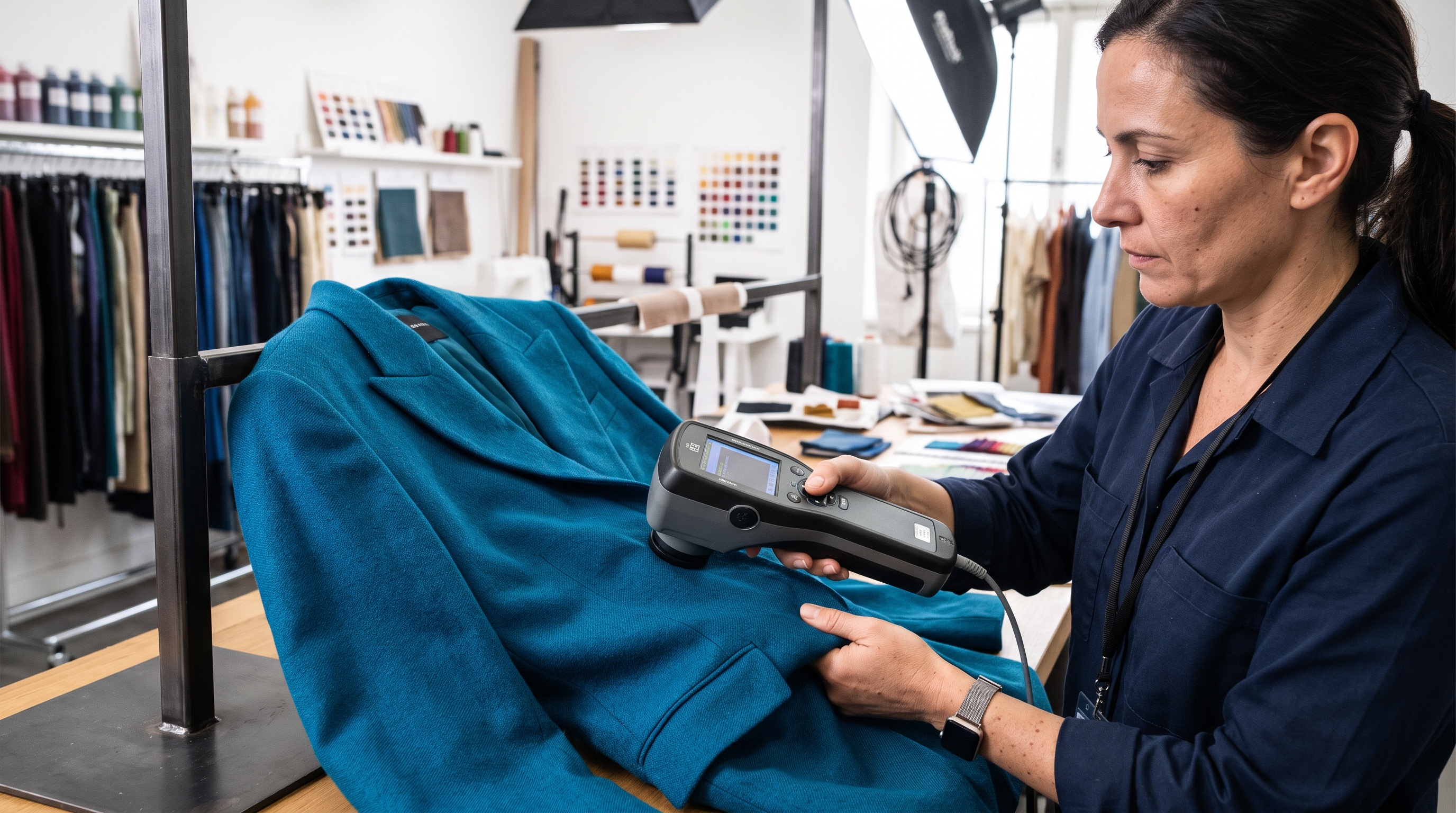
Standardizing on the sRGB color profile standard for fashion marketplaces ensures predictable color rendering across diverse consumer hardware. When color spaces are stripped or converted incorrectly during export, rich fabric tones flatten or shift into unnatural hues that misrepresent the physical garment.
Catalog teams must embed sRGB profiles directly into asset export pipelines and utilize colorimeter hardware during capture. For further details on maintaining visual integrity across platforms, explore how to achieve fashion catalog image consistency with ai to streamline color management.
Proper color space management also involves configuring asset management systems to prevent automatic stripping of embedded ICC profiles during marketplace API uploads. Preserving this metadata ensures that downstream platforms render fabric dyes with absolute precision.
Automated color calibration workflows for high-volume apparel catalogs

Managing color accuracy across thousands of SKUs demands automated color calibration workflows rather than manual artist touch-ups. Automated systems reference master fabric swatches to normalize lighting variations instantly across batch exports.
By integrating automated white balance calibration into your visual supply chain, every asset export—from ghost mannequin shots to marketplace PDPs—retains precise color fidelity. Learn more about scaling production efficiently in how to adapt fashion product images for multiple marketplaces with ai.
Implementing batch-level calibration protocols ensures that color accuracy does not degrade as catalog volume scales during peak seasonal launches, protecting profit margins and reducing operational friction.
Visual AI elimination of manual retoucher color corrections across drops
Visual AI engines analyze fabric texture, lighting angles, and dye lot metadata to apply uniform color adjustments across entire seasonal drops. This automated approach eliminates human error and manual retoucher bottlenecks completely.
- Ingest physical fabric swatch metadata and master color target references.
- Apply automated white balance correction across all raw image captures.
- Enforce strict Delta-E color accuracy thresholds across all output variants.
- Export channel-ready assets compliant with marketplace color specifications.
Here is a comparison of manual color correction versus AI-driven automated color calibration:
| Workflow Stage | Manual Retouching | AI-Driven Automated Calibration |
|---|---|---|
| Color Calibration | Subjective monitor adjustments | Precise Delta-E profile matching |
| Multi-Channel Export | Prone to profile stripping & drift | Standardized sRGB enforcement |
| Catalog Throughput | Slow per-SKU artist bottlenecks | Instant batch processing at scale |
| Return Rate Impact | High risk of color mismatch returns | Consistent color builds buyer trust |