
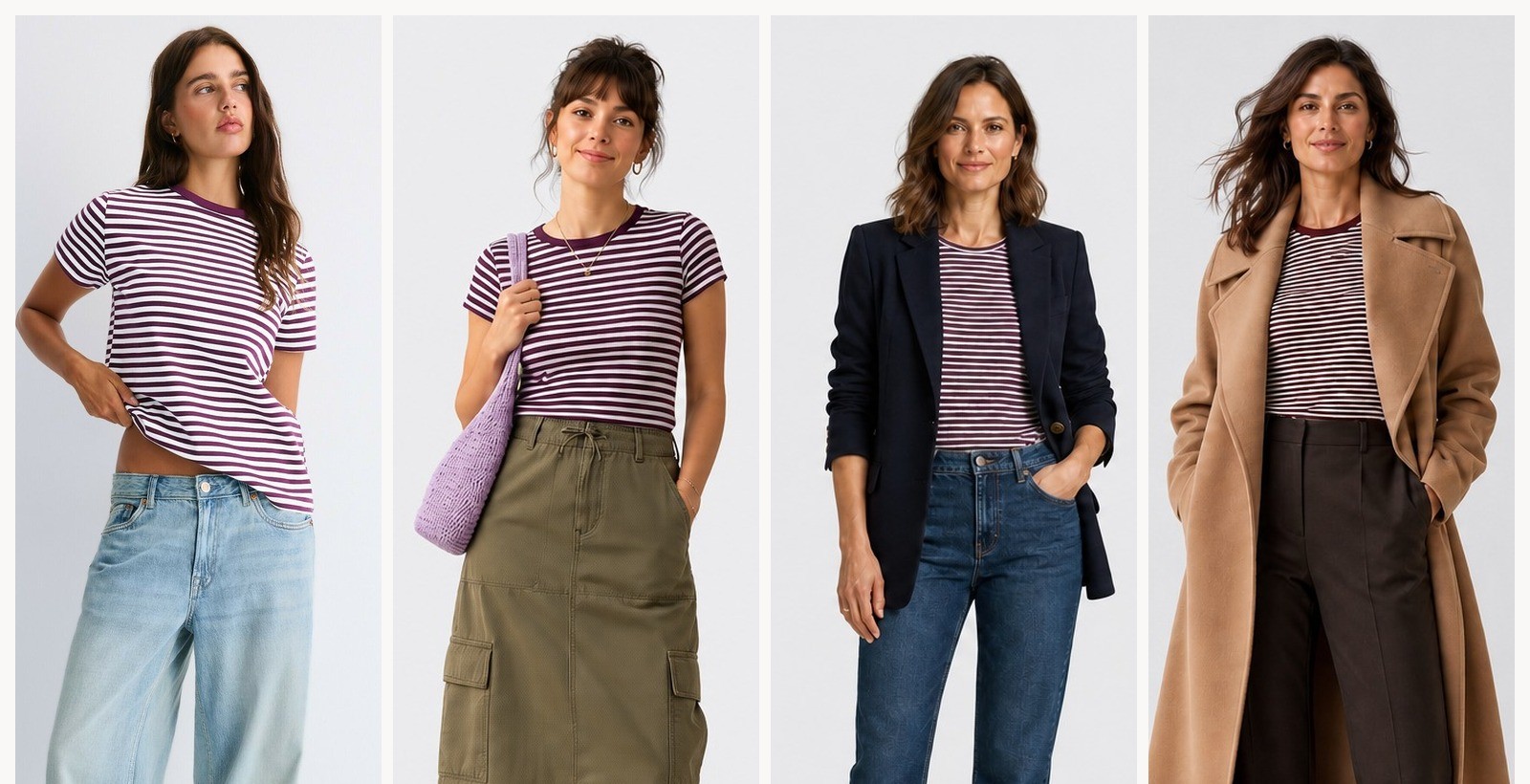
Explore the live demo at zalando-demo.flixstock.com. We start with one product photograph and ask a simple question: what if the styling around it changed for every season and every country? Below, we explain why a single studio shot falls short, show the same T-shirt restyled nine ways across the UK, Germany and Spain, and describe how AI generates those looks without a new photoshoot for each combination.
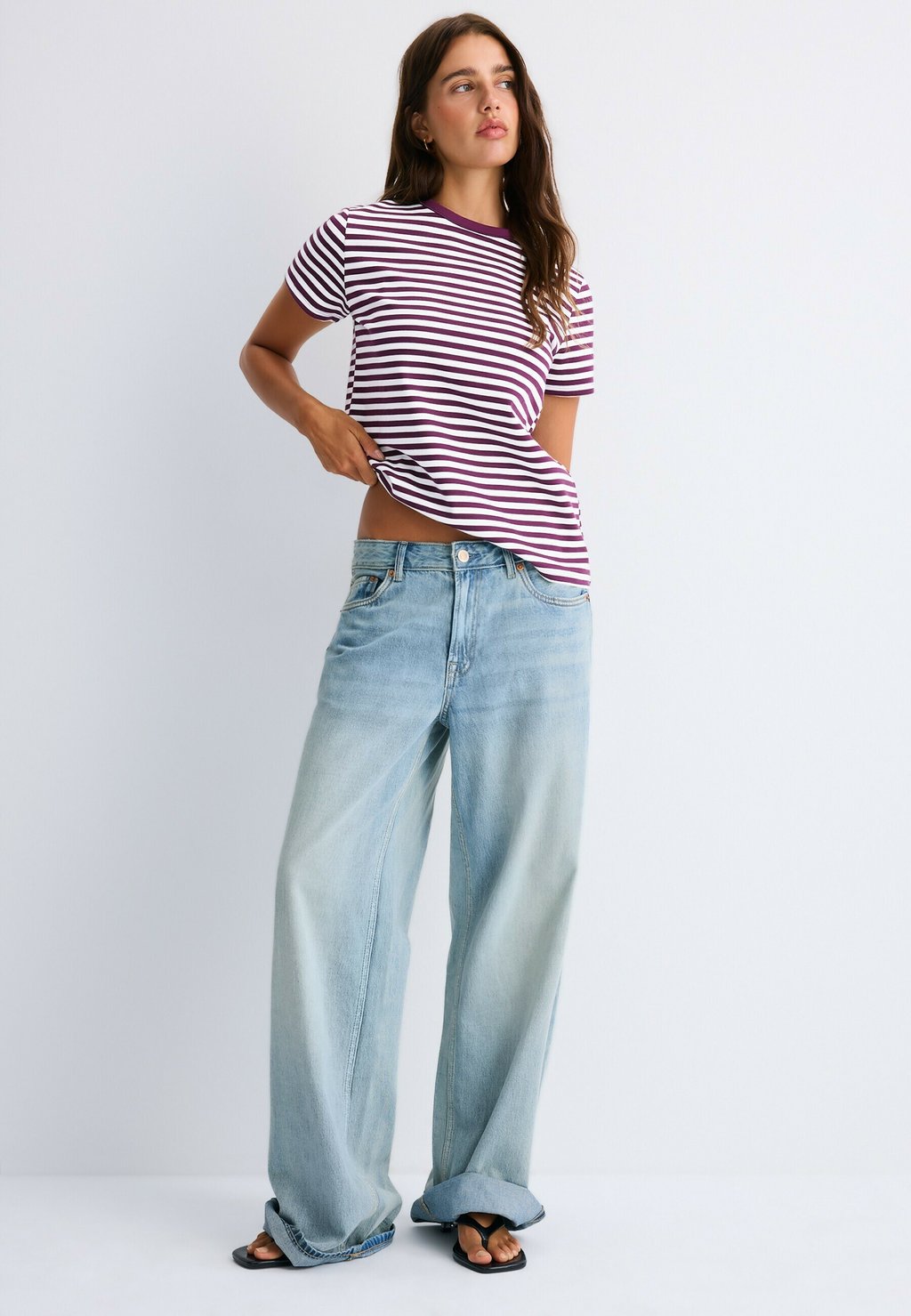
The hero garment · Stradivarius B02 striped T-shirt · €12.99
A summer shopper should see the T-shirt with a skirt and trainers. A winter shopper should see it under a coat with boots. A shopper in London should see a different look from a shopper in Munich or Madrid - not because the product changes, but because the styling, the model and the layers around it do. That is what this article is about.
Why one styling does not fit every visit
Product page imagery is how shoppers judge fit, proportion and wearability before they buy. Baymard Institute's usability testing found that apparel needs a human model for shoppers to assess fit and length at all, and that 42% of users try to work out a product's scale from its images. Baymard also reports that 28% of major e-commerce sites fail to provide a single in-scale image even for their best-selling products.
When the styling feels wrong, the cost shows up in returns. Coresight Research estimated the average US online apparel return rate at 24.4%, with size and fit cited by 53% of surveyed brands and retailers. Loop Returns attributes 25% of apparel returns to style and preference - the shopper simply did not want the item once it arrived. That is the gap between how the page styled the product and how the shopper imagined wearing it.
Same garment. Different season. Different country. Different model.
The product never moves - only the styling around it.
Two things that change: season and country
Every hero image on a product page is a styling decision. Two variables drive whether that decision feels relevant to the person looking at it.
- Season. Summer styling is lighter - skirts, sandals, fewer layers. Transitional styling adds a blazer or light jacket. Winter styling builds around coats, scarves, tights and boots. One look cannot cover all three.
- Country. The garment stays the same. The styling language changes. Tailored trousers and loafers read differently from a cargo skirt and chunky trainers. The model changes too - so the look feels familiar to the market it was made for.
Three countries multiplied by three seasons is nine styled looks for a single SKU. Scale that across a catalogue and the photoshoot math stops working. That is the problem FlixStock is built to solve.
One T-shirt, three countries, three seasons
The table below takes the source T-shirt and restyles it for the United Kingdom, Germany and Spain across summer, transitional and winter. These are live examples from the FlixStock demo. Read across a row to see how one country dresses the same T-shirt through the year. Read down a column to see how one season looks in three different markets.
| Country | Summer | Transitional | Winter |
|---|---|---|---|
| United Kingdom | 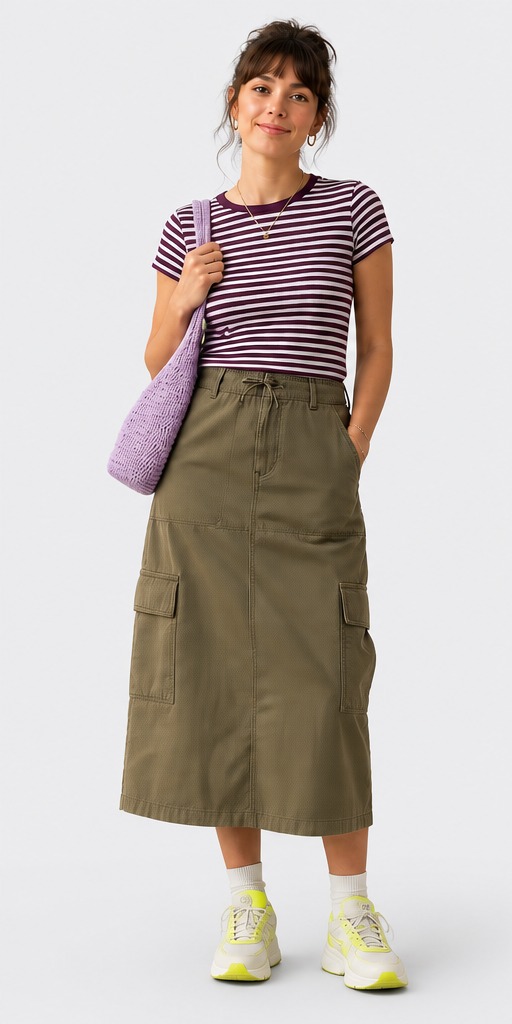 Olive cargo midi skirt, lilac crochet shoulder bag, chunky trainers — open summer styling. Olive cargo midi skirt, lilac crochet shoulder bag, chunky trainers — open summer styling. |
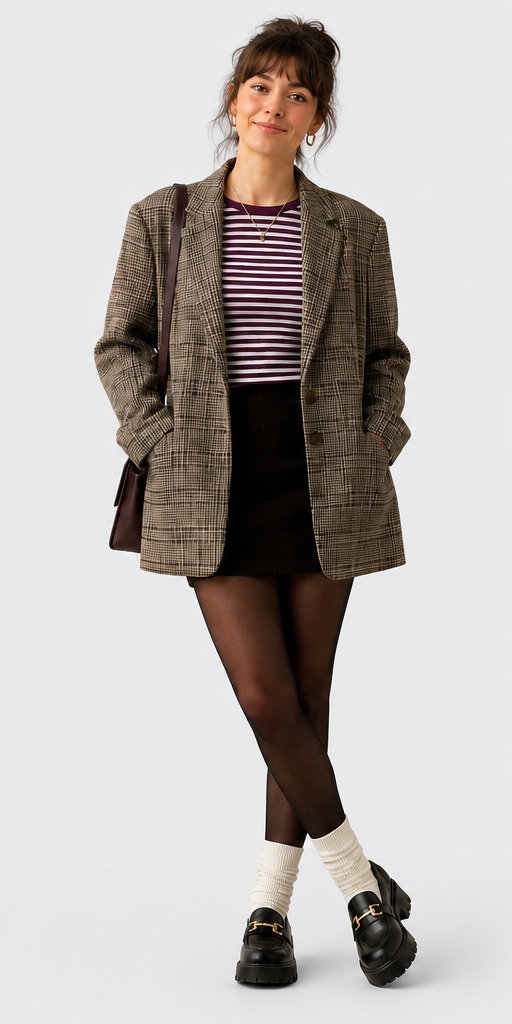 Brown check blazer, corduroy mini skirt, sheer tights, chunky loafers — layered for autumn. Brown check blazer, corduroy mini skirt, sheer tights, chunky loafers — layered for autumn. |
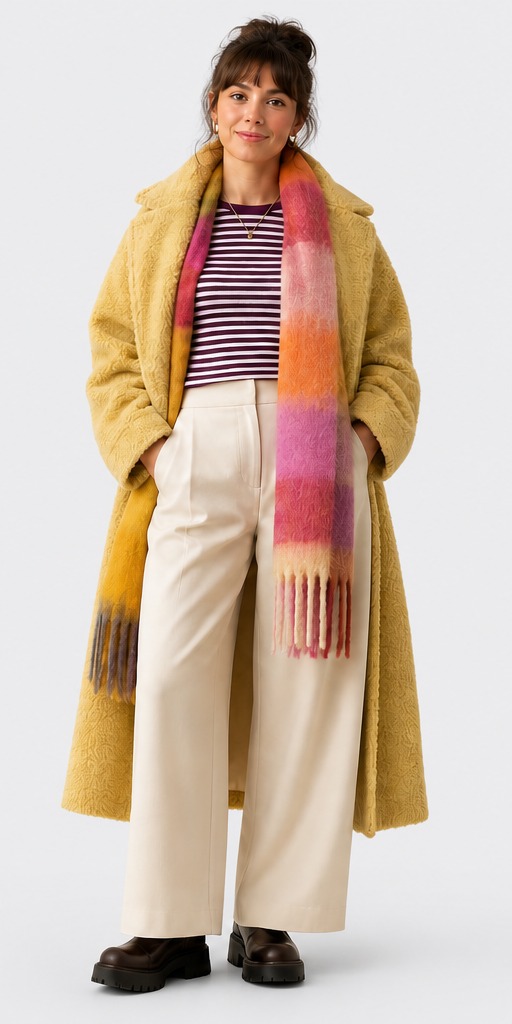 Chartreuse teddy coat, cream wide-leg trousers, mohair scarf — full winter layering. Chartreuse teddy coat, cream wide-leg trousers, mohair scarf — full winter layering. |
| Germany | 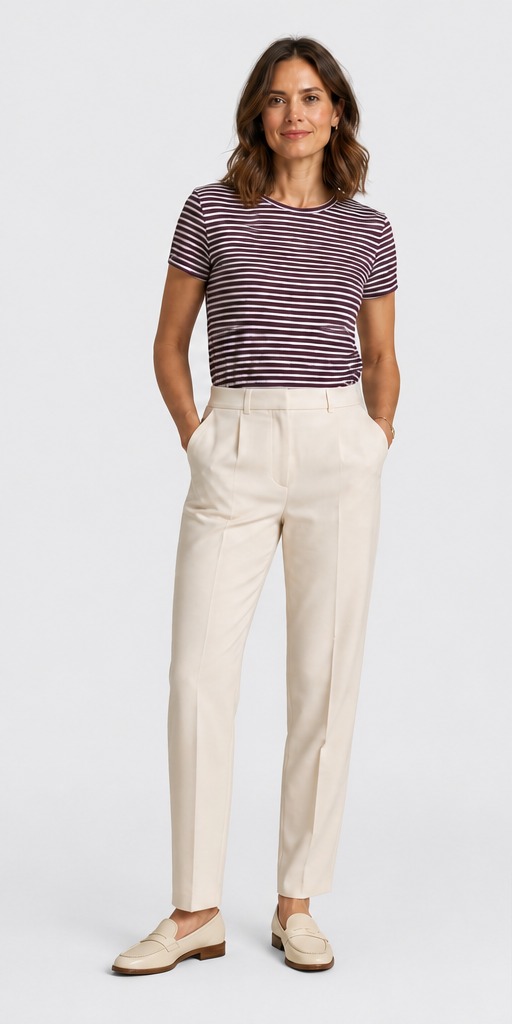 Cream pleated tailored trousers, tonal leather loafers — clean, understated summer polish. Cream pleated tailored trousers, tonal leather loafers — clean, understated summer polish. |
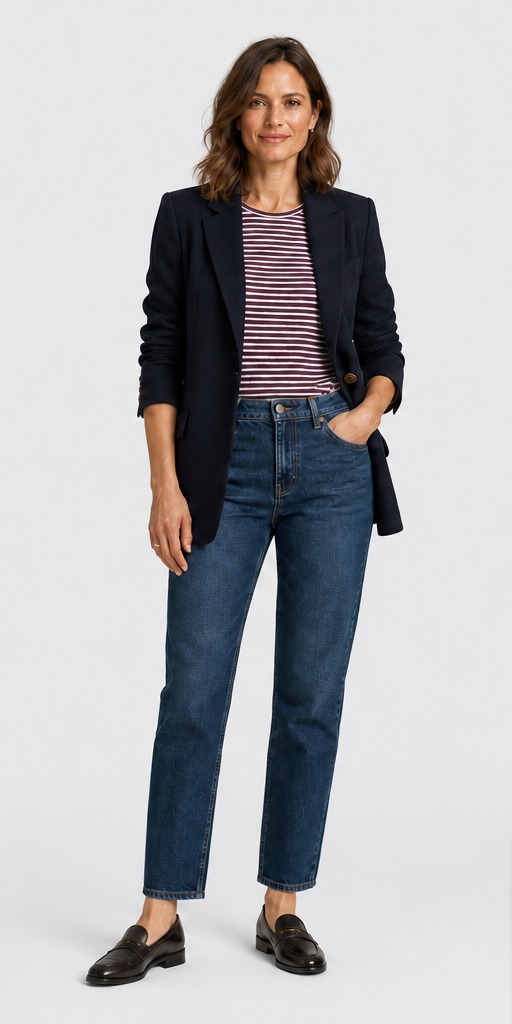 Navy blazer, mid-blue straight-leg jeans, dark brown loafers — practical layered look. Navy blazer, mid-blue straight-leg jeans, dark brown loafers — practical layered look. |
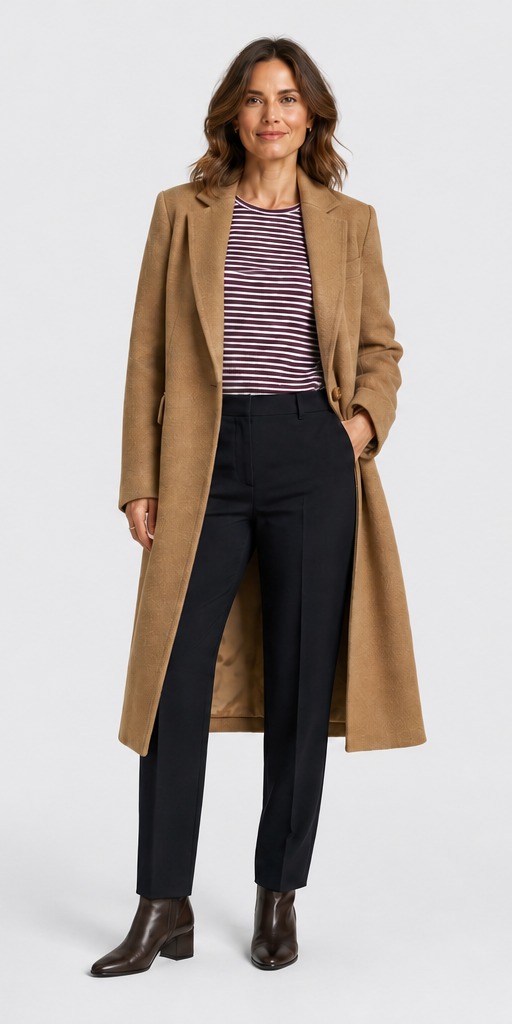 Camel wool overcoat, black tailored trousers, brown ankle boots — structured winter warmth. Camel wool overcoat, black tailored trousers, brown ankle boots — structured winter warmth. |
| Spain | 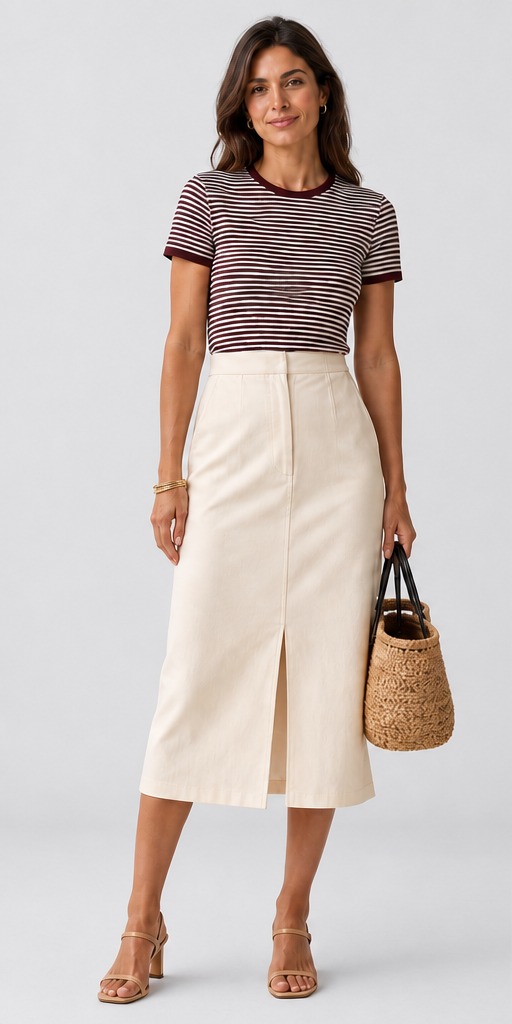 Ivory denim midi skirt, raffia basket bag, tan block-heel sandals — warm-weather polish. Ivory denim midi skirt, raffia basket bag, tan block-heel sandals — warm-weather polish. |
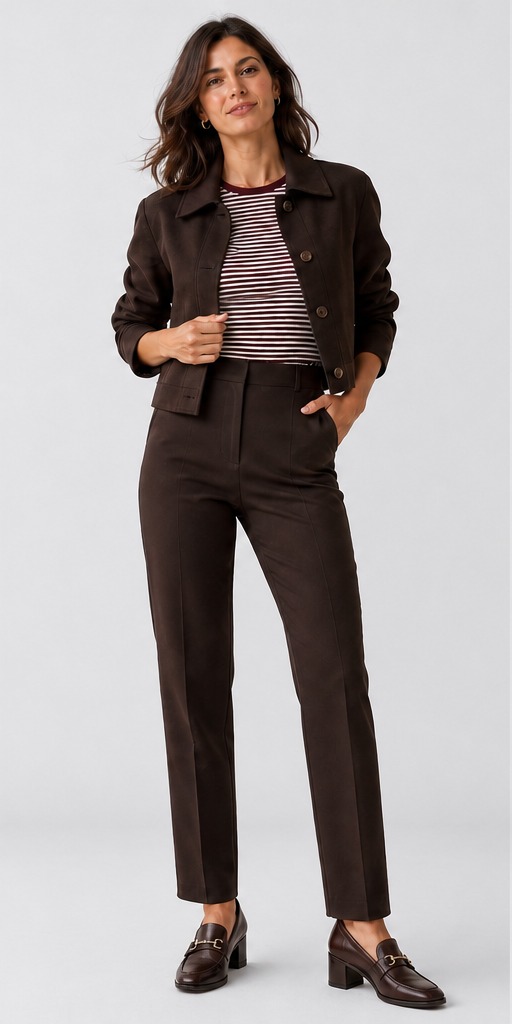 Cropped chocolate jacket, matching tailored trousers, gold-bit loafers — coordinated set. Cropped chocolate jacket, matching tailored trousers, gold-bit loafers — coordinated set. |
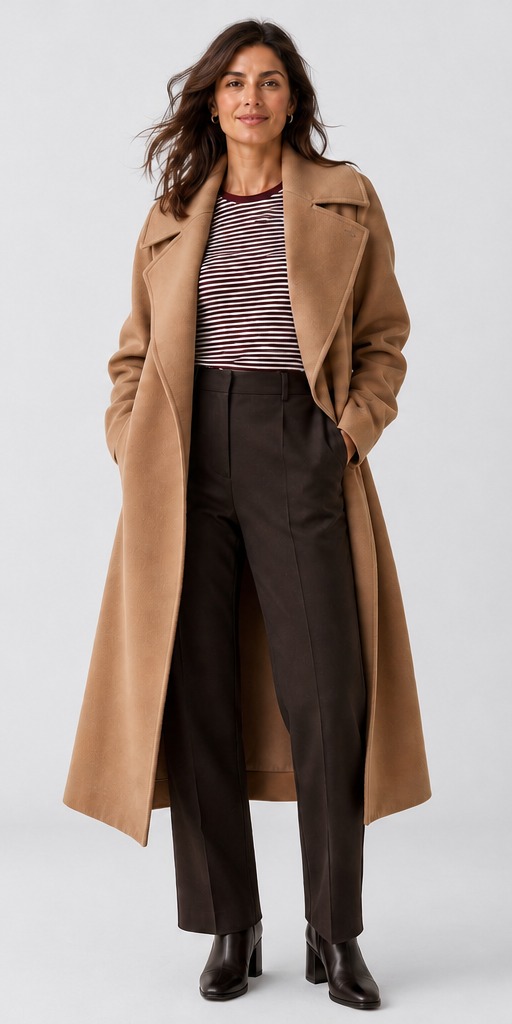 Camel wrap coat, chocolate wide-leg trousers, heeled boots — flattering winter silhouette. Camel wrap coat, chocolate wide-leg trousers, heeled boots — flattering winter silhouette. |
Look at any cell and the striped T-shirt is the same. Look across the row and the wardrobe shifts with the weather. Look down the column and the same season reads differently in three countries - different model, different bottoms, different outerwear, different shoes. That is styling at work.
Why you cannot shoot your way to nine looks per SKU
Nine styled photographs per product sounds manageable until you multiply it. A 5,000-SKU catalogue needs 45,000 styled hero images for three countries and three seasons alone. Add a fourth market, a second body type, or a festive styling window and the number climbs again. Every new season means rebooking models, restyling wardrobes and reshooting looks that were only relevant for twelve weeks.
Most teams respond by shooting one look and publishing it everywhere. The image is correct for one moment in one market and approximately wrong for everything else. The constraint was never creative ambition. It was studio capacity.
How AI restyles the look without touching the garment
FlixStock takes the original product photograph - the hero image at the top of this page - and generates the styled variations around it. The AI does not redesign the T-shirt. It keeps the cut, colour and print locked to the source shot. What it builds is everything else: the trousers or skirt, the coat, the shoes, the bag, and the model wearing them.
A new country or a new season becomes a rendering pass, not a shoot day. The nine looks in the table above all came from that single studio photograph. No separate booking for UK summer, no separate booking for German winter, no separate booking for Spanish transitional. One image in, nine styled outputs out.
That is the production model: the garment stays honest, the context around it adapts. If the rendered product drifts from the real one, shoppers get an expectation gap - Coresight Research found colour mismatch behind 16% of apparel returns in its surveyed data. Keeping the source garment fixed is not a technical detail. It is what makes the styling trustworthy.
How to test seasonal styling before scaling it
The mistake is generating nine treatments for every SKU before knowing whether any of them move a number. Start narrower:
- Pick twenty high-traffic products in categories where styling matters most - basics, knitwear, layering pieces, outerwear.
- Use AI to generate two styled versions for one season in one country. Keep the global studio shot as the control.
- Split by market at the storefront level so each visitor sees one consistent styling.
- Measure add-to-cart rate and return reason codes. If styling is working, the style-and-preference share of returns should move before raw conversion does.
- Only extend to the remaining seasons and countries after one market shows a signal.
To explore every country and season combination yourself, use the demo linked at the top of this article: select a country and a season in the controls and watch the same €12.99 T-shirt restyle in place.