

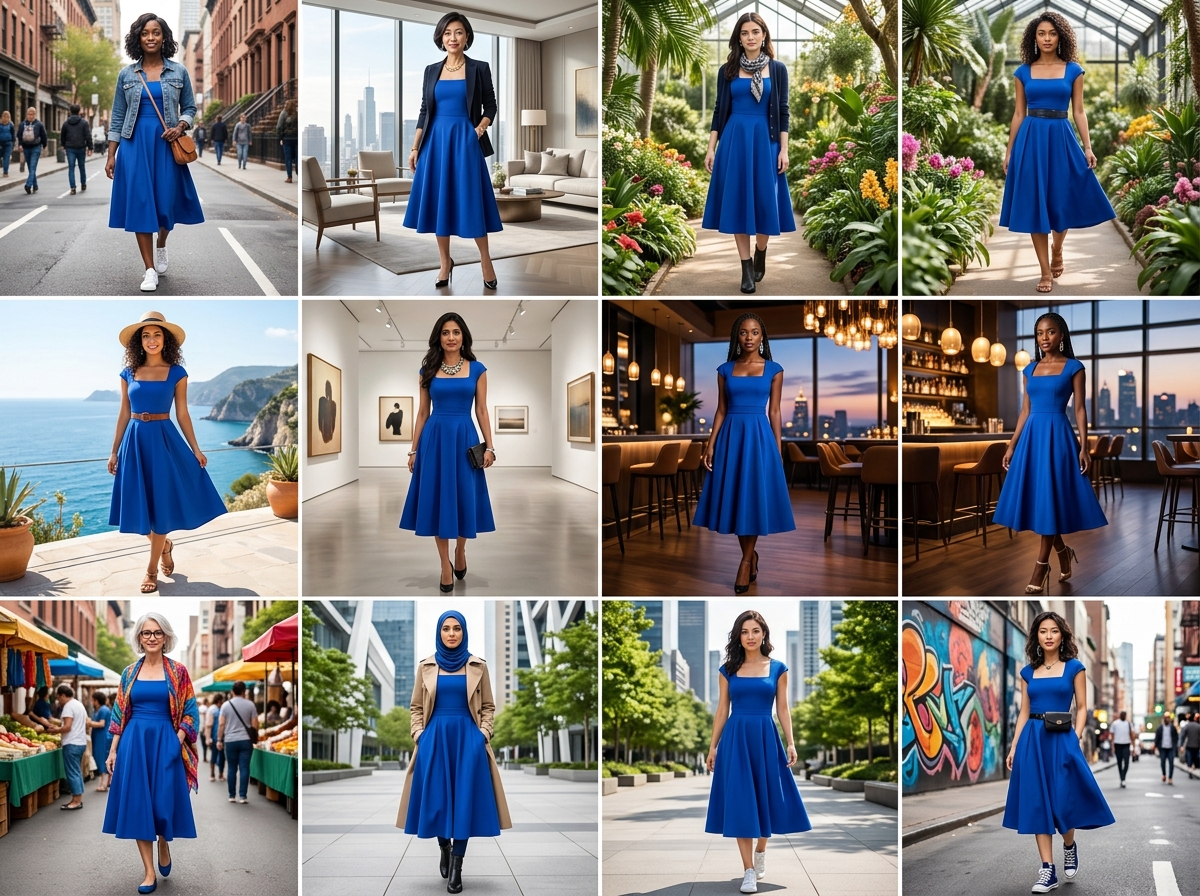
This article explores how generative AI is revolutionizing fashion product photography by enabling brands to create a vast array of visual assets from a single product image. It is for fashion brands, ecommerce teams, and creative professionals looking to scale their content production efficiently and effectively.
- Understand the limitations of traditional fashion photography workflows.
- Learn how AI can generate diverse, on-model imagery without physical photoshoots.
- Discover practical use cases for AI in fashion, from seasonal styling to localized campaigns.
- Explore how FlixStock can help you create a scalable visual content system.
How is AI changing fashion product photography? It is fundamentally shifting the industry from a model of scarcity—where every image is a costly, time-consuming asset—to one of abundance, where a single garment can be turned into a complete visual content system for every market, season, and customer.
Why the Traditional Photoshoot Model Is Breaking
For decades, the fashion industry has relied on a tried-and-true formula for product photography: book a studio, hire a photographer, cast models, and shoot each garment. While this process has produced iconic imagery, it is increasingly out of step with the demands of modern ecommerce. Brands are now expected to produce a constant stream of fresh, relevant content for a global audience, and the traditional photoshoot model simply cannot keep up.
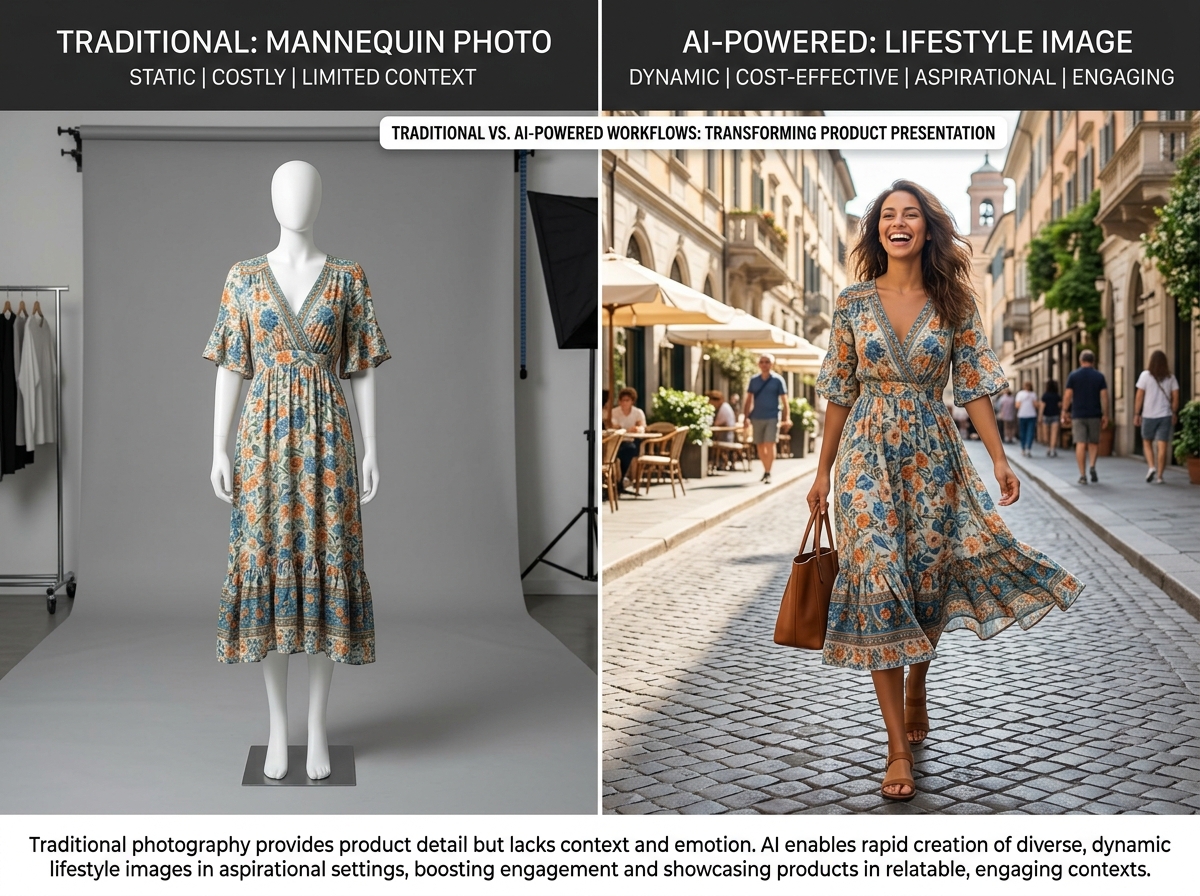
The costs are not just financial. The time it takes to organize and execute a photoshoot means that by the time the images are ready, the trend cycle may have already moved on. Furthermore, the one-size-fits-all approach of traditional photography often fails to resonate with diverse, international audiences who want to see products on models that look like them and in settings that reflect their own lives.
What AI Generates Endless Photographic Possibilities
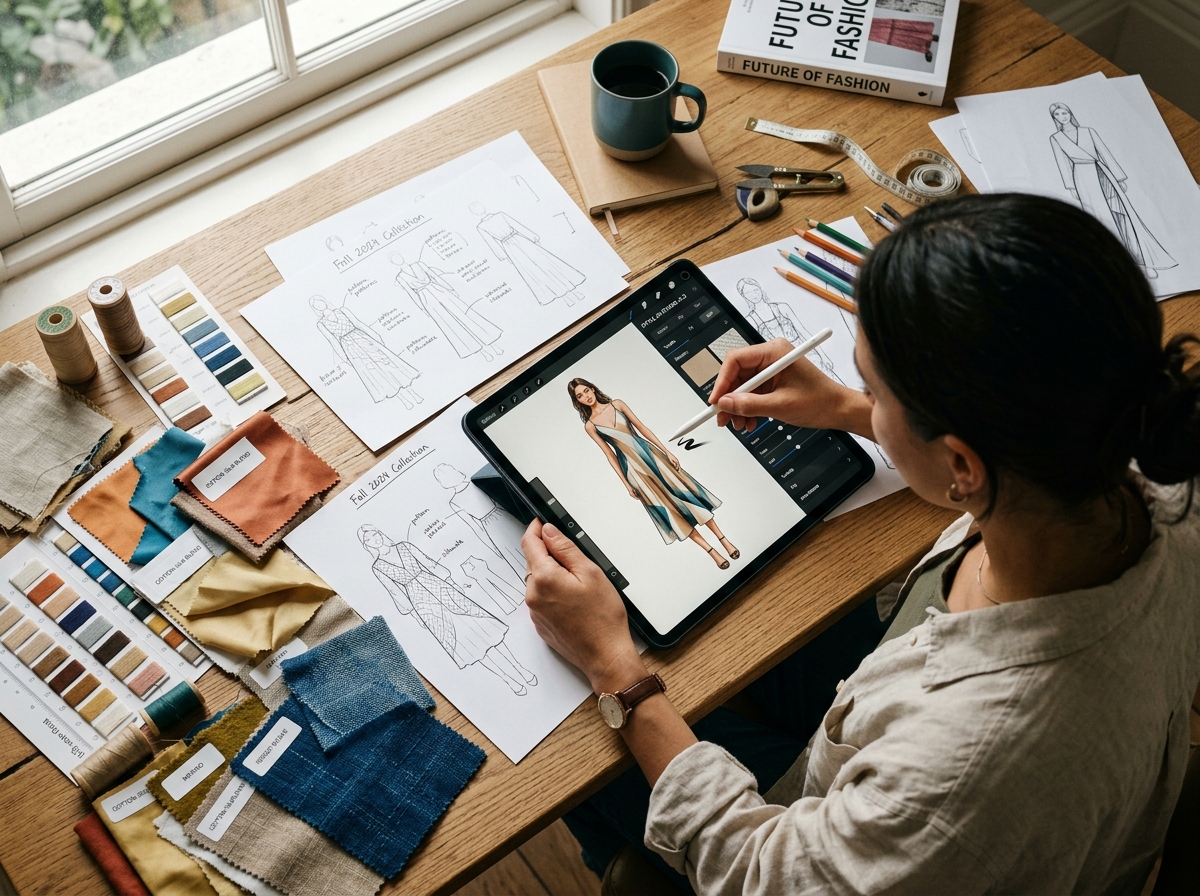
Generative AI offers a powerful alternative. By using sophisticated machine learning models, AI platforms can take a single image of a garment—a flat-lay, a hanger shot, or a ghost mannequin image—and generate a virtually limitless number of high-quality, on-model photographs. This process, often referred to as virtual try-on, allows brands to showcase their products on a diverse range of models, in any setting imaginable, without the need for a physical photoshoot.
The technology is not just about replacing models. It is about creating a more dynamic and personalized visual experience for the customer. With AI, a brand can show a winter coat in a snowy landscape for its Northern European market and the same coat in a milder, autumnal setting for its customers in the Mediterranean. This level of localization — explored in depth in localized PDP imagery — was once prohibitively expensive, but with AI, it is becoming the new standard.
The Power of a Complete Visual Content System
The true power of AI in fashion photography lies in its ability to create not just single images, but entire visual content systems. A brand can start with a single product and, using AI, generate a comprehensive set of assets for every channel and customer touchpoint. This includes everything from PDP images and social media content to campaign creative and in-store displays.
This "atomic" approach to content creation, where a single asset can be endlessly remixed and repurposed, is a game-changer for fashion brands. It allows them to maintain a consistent brand identity across all channels while still tailoring their content to specific audiences and markets. According to a report by McKinsey, hyper-personalization can lift revenues by 5 to 15 percent, and AI-powered visual content is a key enabler of this strategy.
How FlixStock Solves the Content Scalability Challenge
FlixStock is at the forefront of this AI-powered revolution in fashion imagery. Our platform enables brands to create high-quality, on-brand visual content at scale — pairing consistent AI model personas with accurate garment rendering — without the need for traditional photoshoots. By simply uploading your product images, you can generate a diverse range of on-model photography that resonates with your target audience and drives conversions.
Our technology is designed to respect the integrity of your products, ensuring that every detail—from the texture of the fabric to the silhouette of the garment—is accurately represented. With FlixStock, you can move beyond the limitations of traditional photography and build a visual content strategy that is as dynamic and diverse as your customer base. Visit our demo page to see how it works.
Measuring Success in an AI-Powered World
The adoption of AI in fashion photography is not just about creative possibilities; it's about driving business results. Key performance indicators to track include conversion rates on product detail pages, engagement metrics on social media, and return on ad spend for campaigns using AI-generated creative. Brands that effectively leverage AI-powered imagery can expect to see significant improvements across all of these metrics, leading to a more profitable and sustainable ecommerce business.
| Feature | Traditional Photography | AI-Powered Photography |
|---|---|---|
| Cost | High (studio, models, photographer, etc.) | Low (subscription-based or pay-per-image) |
| Time | Slow (days or weeks for a photoshoot and post-production) | Fast (minutes or hours to generate hundreds of images) |
| Scalability | Limited (difficult to produce a large volume of diverse images) | High (easily generate limitless variations of images) |
| Flexibility | Low (difficult to make changes once the shoot is complete) | High (easy to iterate and create new variations on the fly) |